MEGHDAD ASADILARI
Assistant Professor, School of Film and Animation, College of Art and Design, RIT
Case Study 1A: 2D Puppeting and Motion Capture
Project Overview:
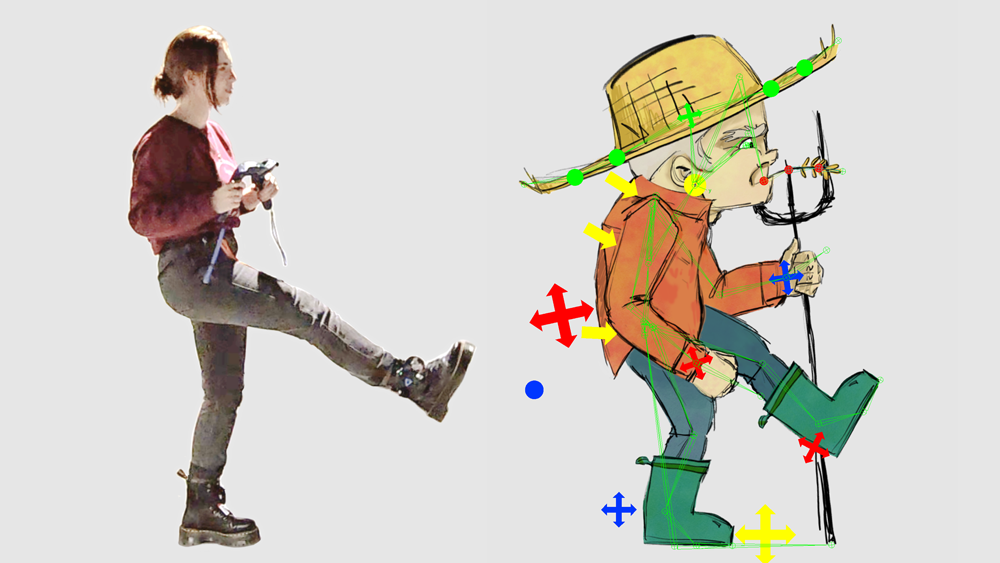
Conducted from early 2024 through mid-2025, this research develops and documents a novel system for driving and animating stylized 2D puppet characters with live motion capture in real time inside Unreal Engine.
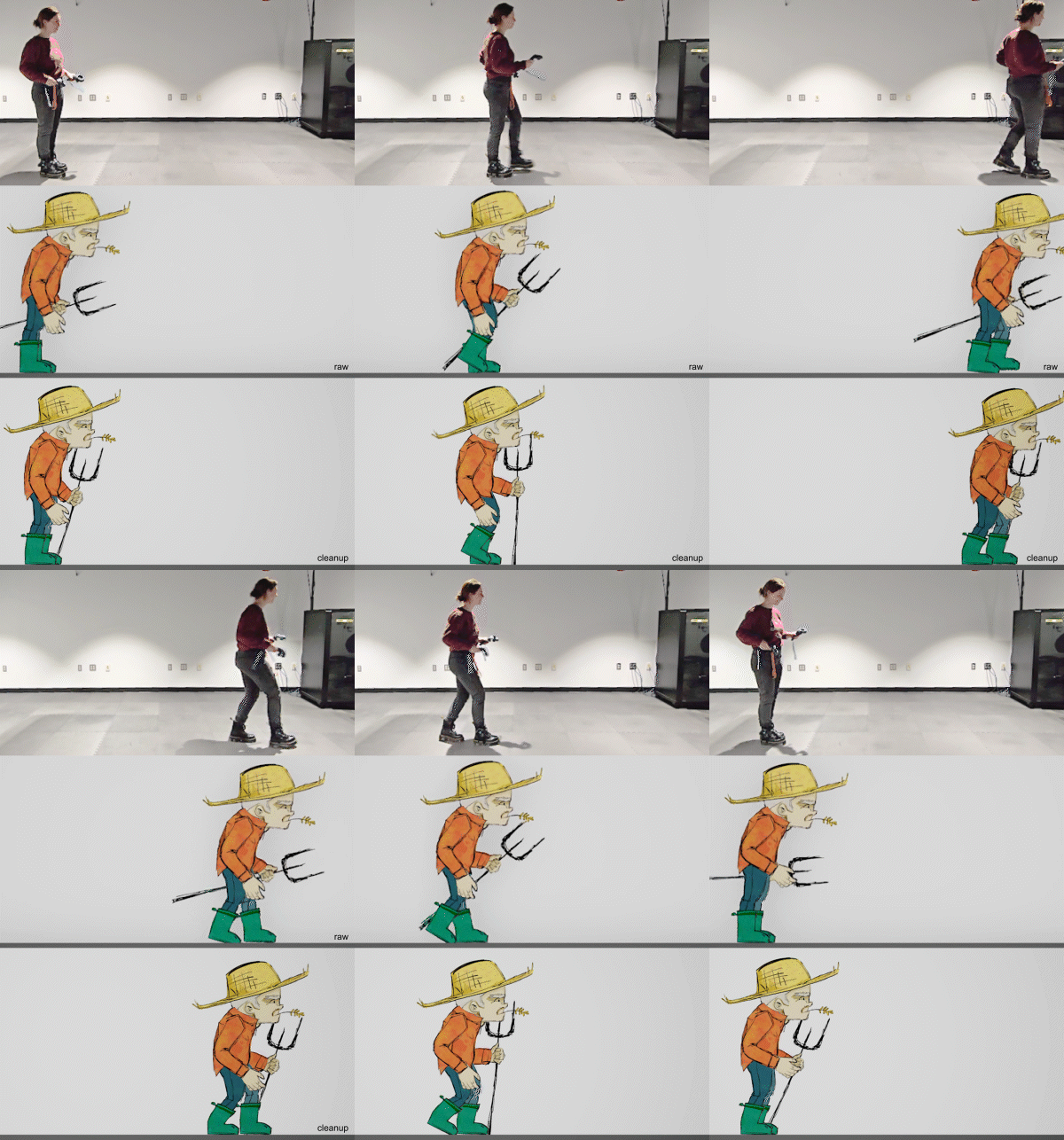
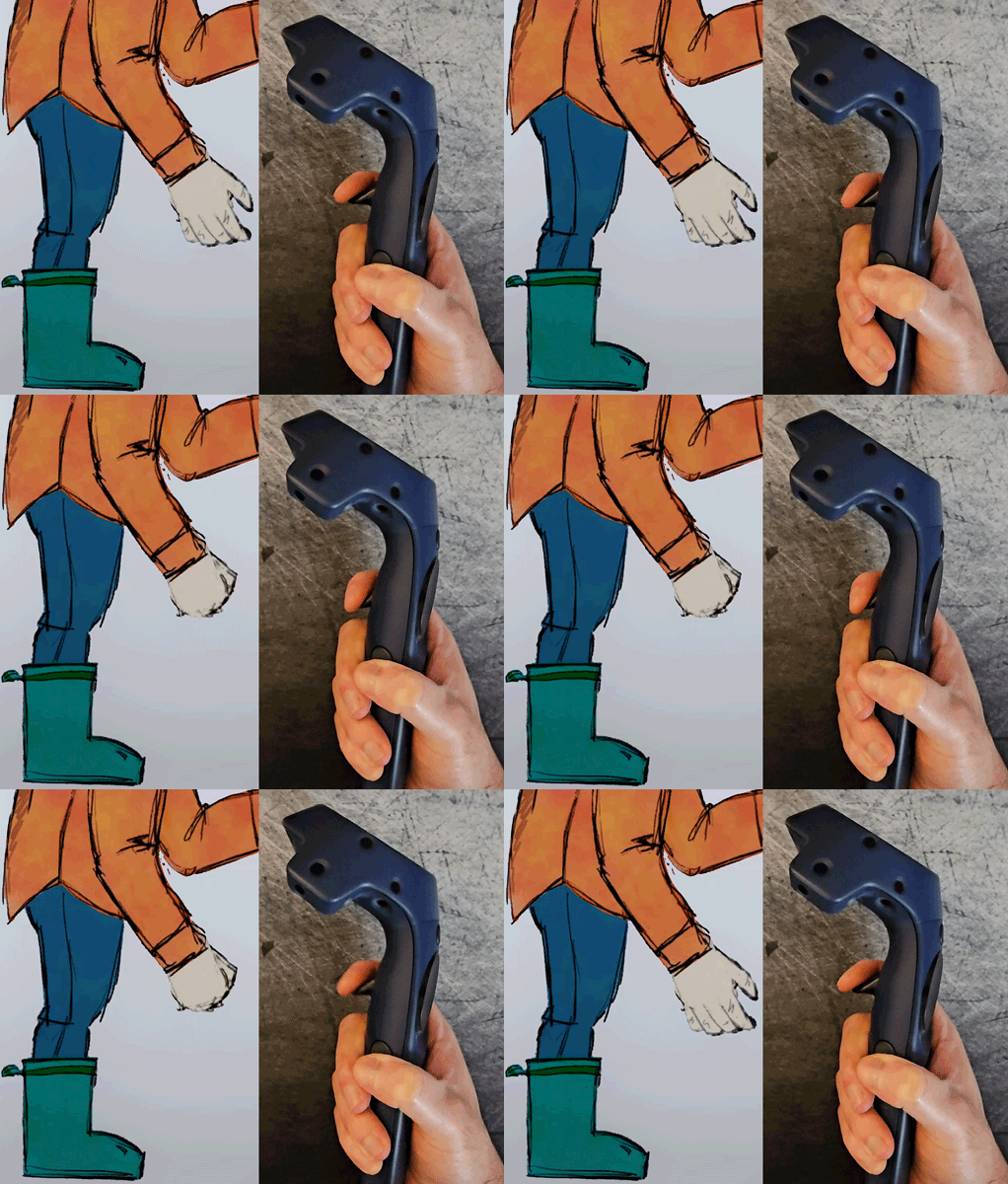
The technical foundation is an IK-based (inverse kinematics) full-body capture system using only five consumer-grade trackers (HTC Vive Trackers in this example) placed at the wrists, ankles, and center of gravity. Because the puppet operates in 2D space, the proposed IK approach allows for only one tracker per limb to produce stable, expressive motion while keeping the system low-cost and practical. The system uses Unreal Engine's Control Rig in a configuration not previously documented for 2D characters.
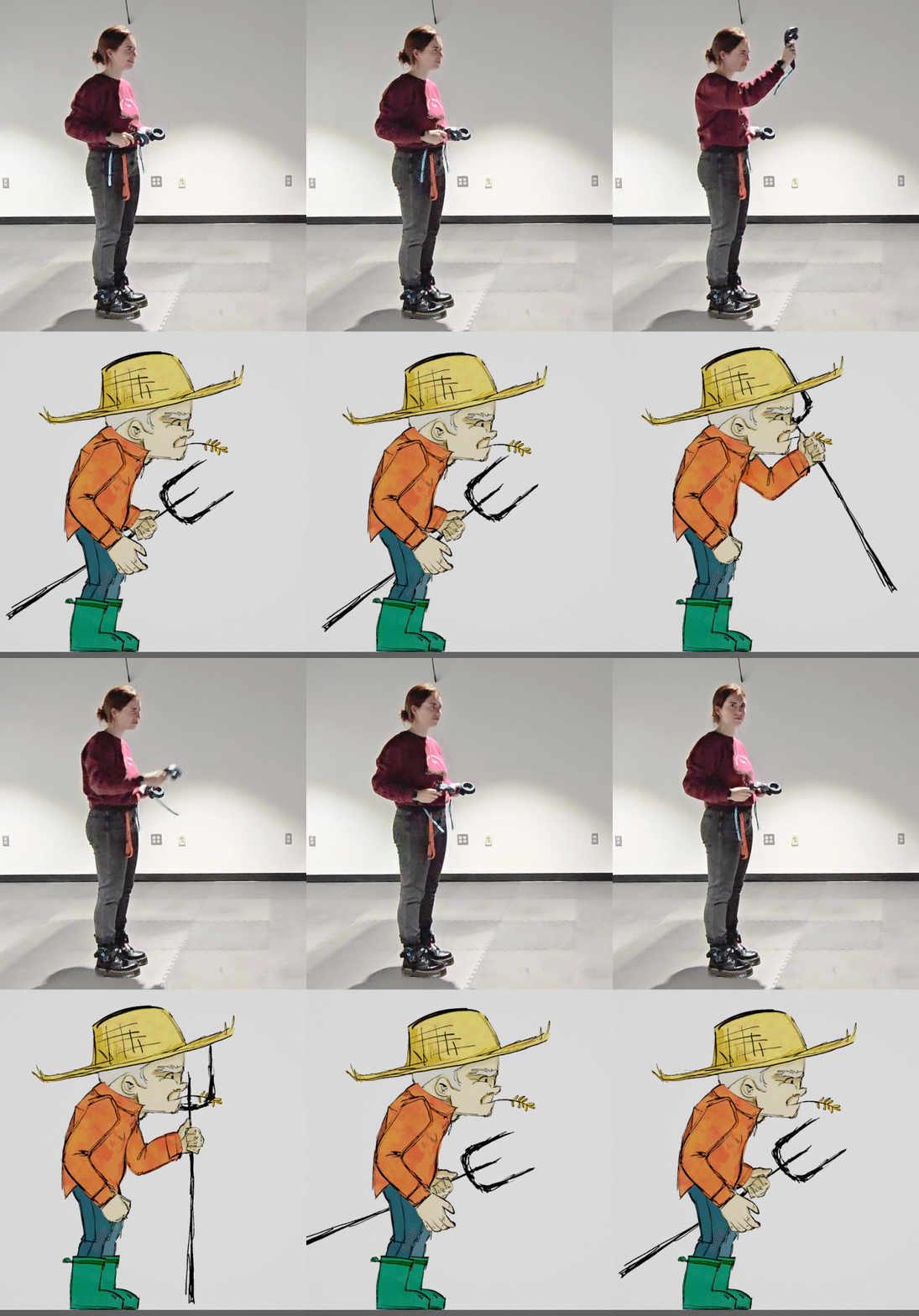
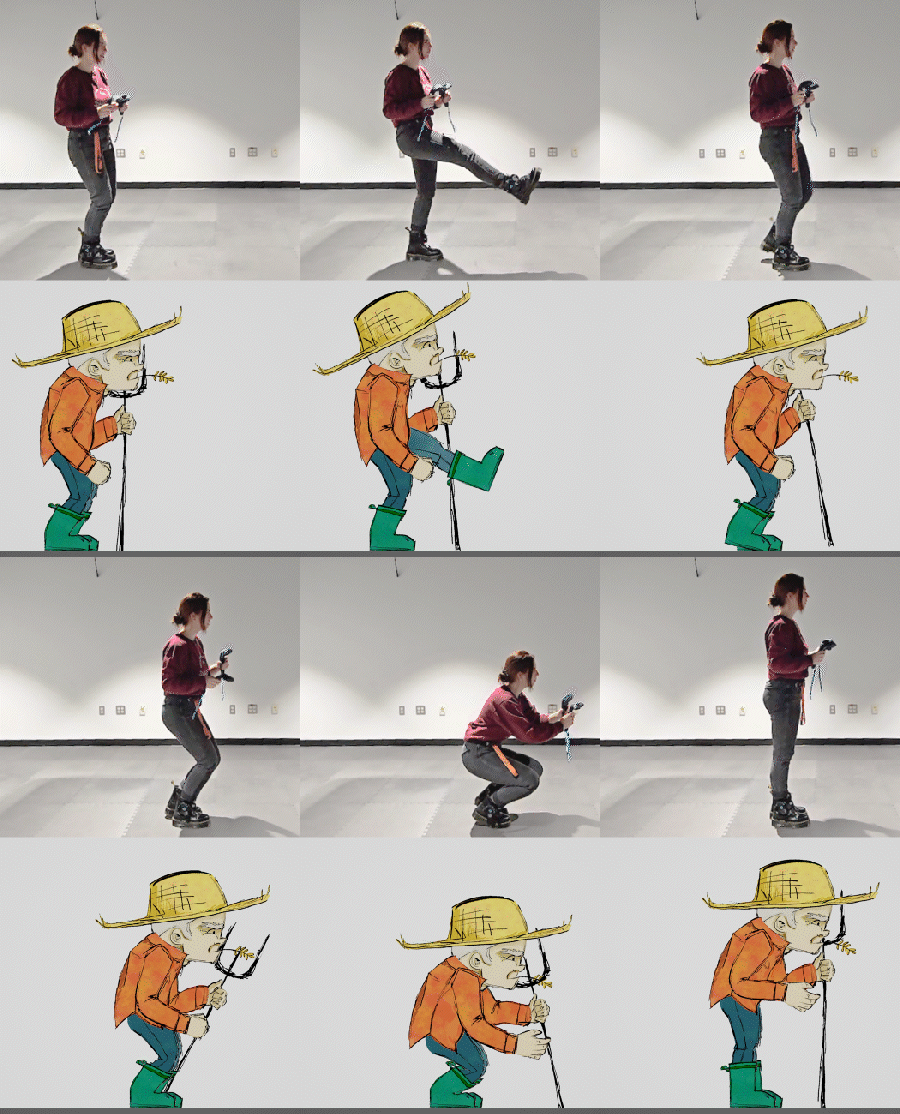
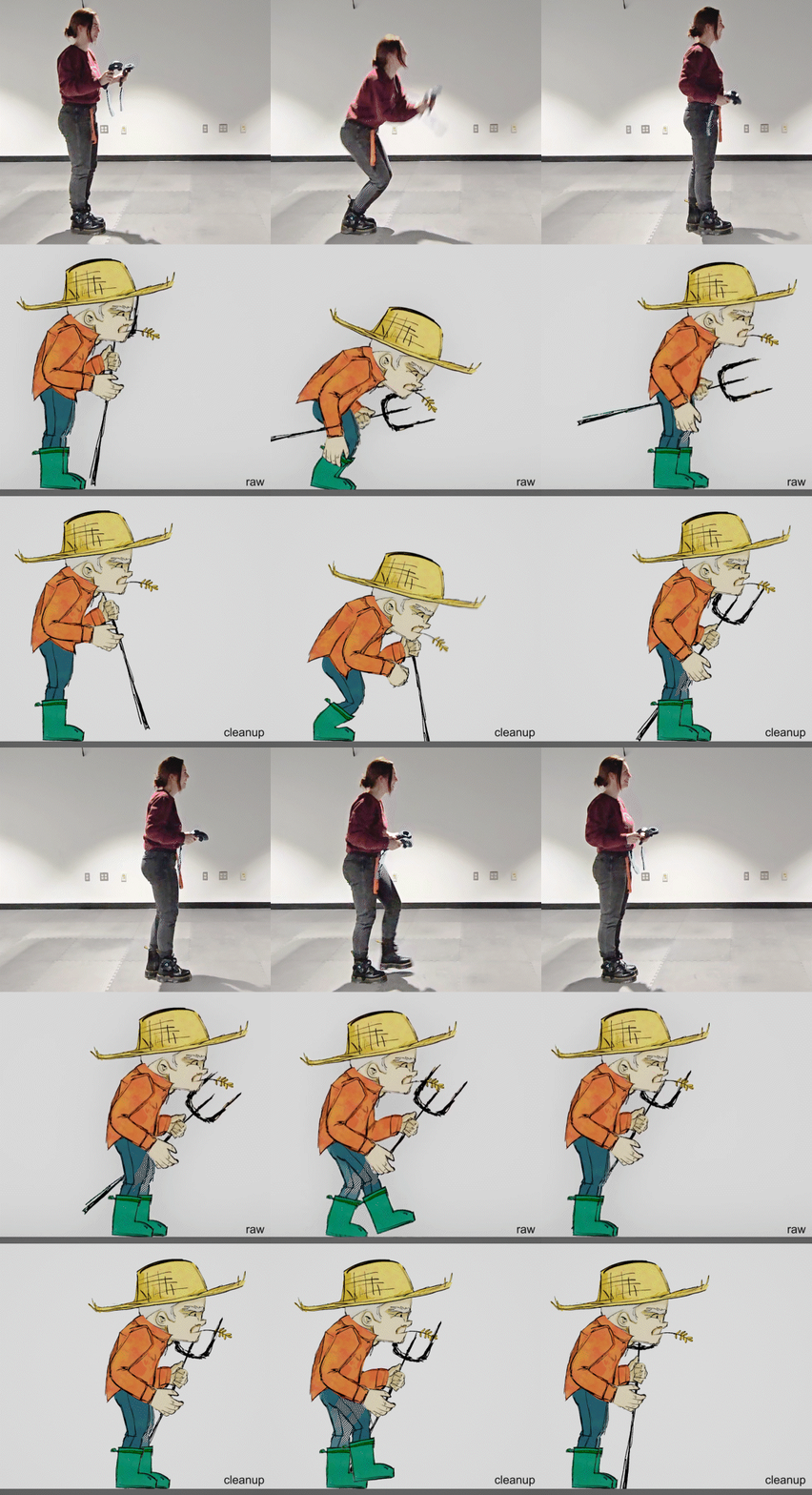
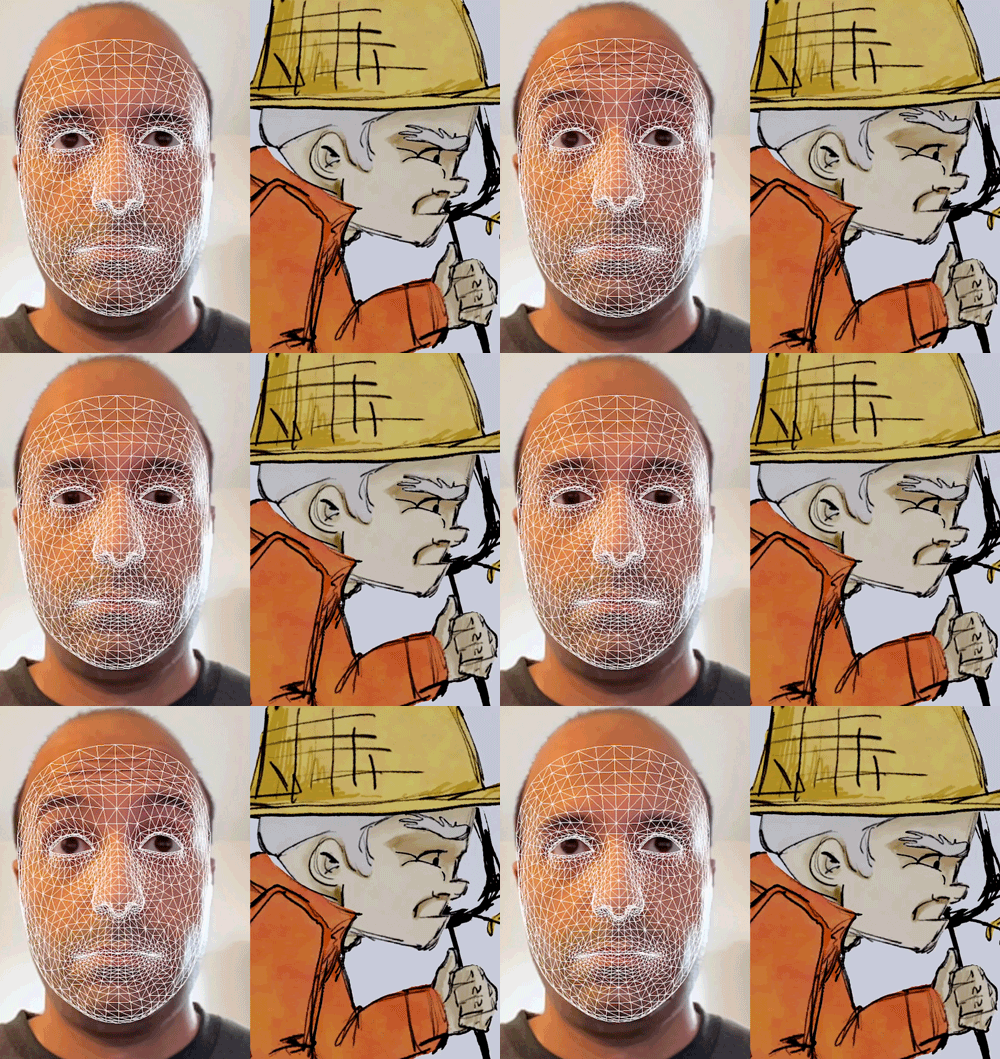
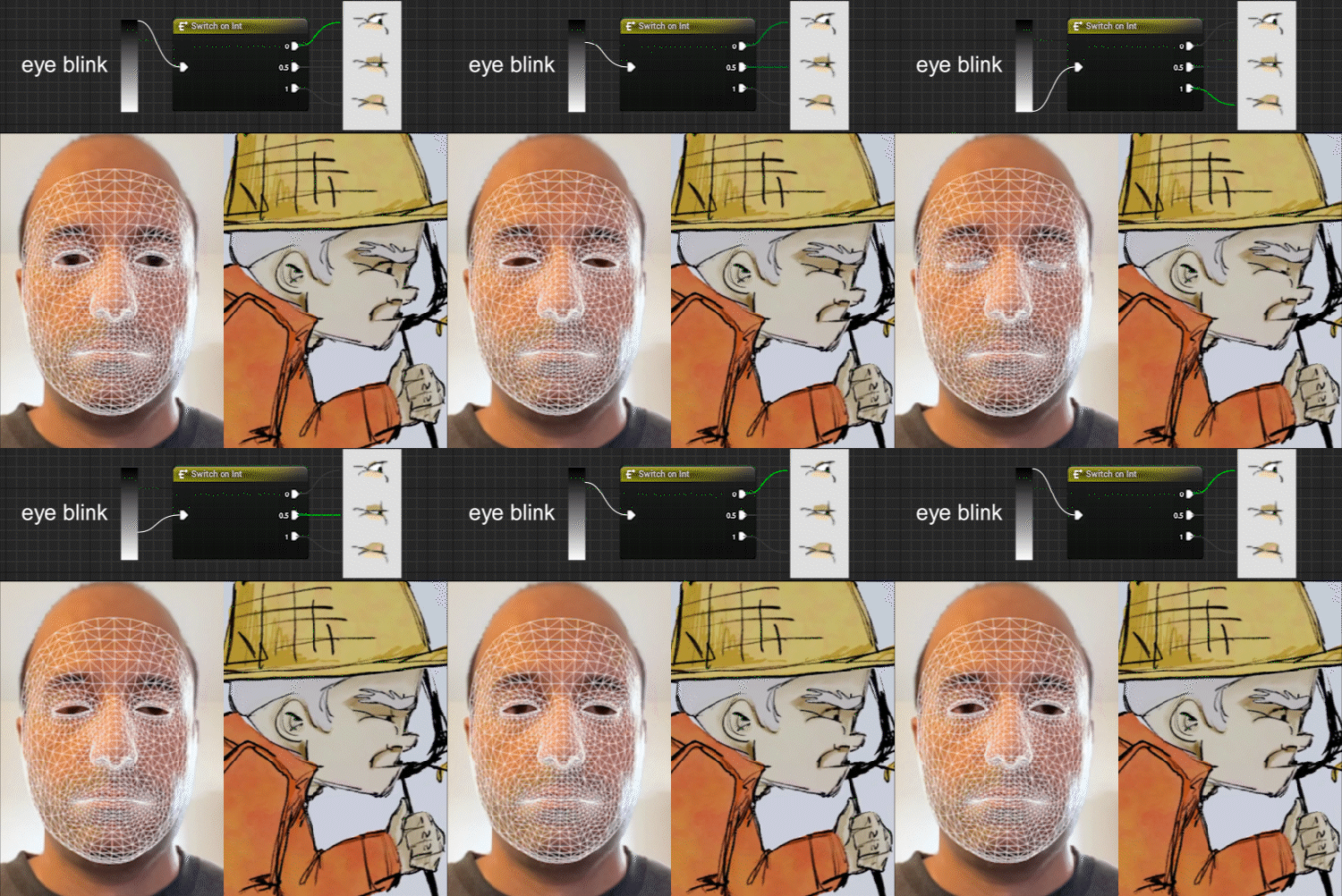
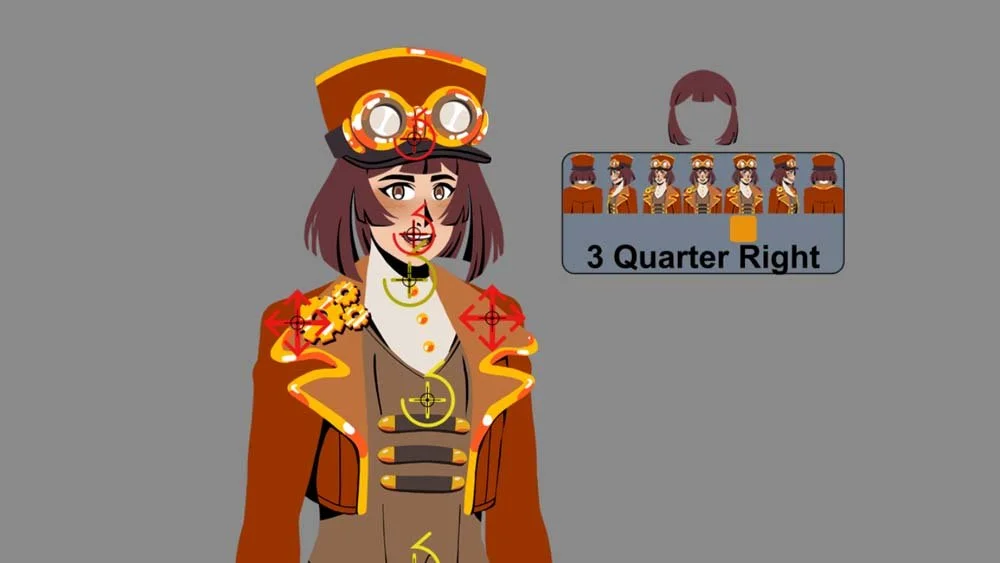
For facial performance, a material-based method translates 3D facial expressions that activate and deactivate 3D morph target values, into 2D drawing replacements, producing the discrete expression-change behavior for 2D puppets. The full combined system runs entirely within Unreal Engine and is applicable to game development, VR/AR/XR, virtual production, and linear animation pipelines.
The research is sole-authored. My role encompassed concept development, system design, implementation, literature review, scholarly writing, and all presentation and demonstration at three international venues.
The expertise underlying this work developed through years of professional experience across both 3D workflows and 2D puppet production, including work on Storyline Online (discussed in Case Study 2A), where my techniques broadly established in 3D production were adapted and brought into a 2D context. A recurring thread in my creative work, including the animated film Simorgh (2014), is the blending of 2D and 3D techniques and visual styles, and this hybrid sensibility directly shaped this research.
Peer Review and Dissemination:
The results of this research were evaluated and disseminated through three major international venues, all peer-reviewed and classified as Tier 1 under RIT’s College of Art and Design scholarship guidelines. The work was evaluated by expert panels across three distinct communities: professional game development, computer graphics research, and film and media production. It was disseminated across three continents, in four formats (oral presentation, poster, interactive demo, and archival publication), all within a single calendar year.
1- Talk at the Game Developers Conference (GDC) 2025, Animation Summit, San Francisco — March 17-21, 2025
GDC is the largest professional conference for game development and real-time production in the world, drawing more than 30,000 attendees annually. The 2025 edition spanned five days, featured more than 1,000 speakers across 750 sessions, summits, and roundtables, and hosted 400 exhibiting organizations. Attendees and exhibitors included the most prominent names in the industry: Meta, Google, Microsoft, Epic Games, Sony Interactive Entertainment, Electronic Arts, Nintendo, Tencent Games, and Ubisoft. Sessions are delivered by lead developers of landmark titles, making acceptance to speak a direct form of peer recognition within the professional field.
Talk proposals undergo a two-stage review process conducted by the GDC Advisory Board, composed of senior practitioners from leading global studios. Proposals are first evaluated for novelty, technical rigor, and practical relevance to the field; those that advance enter a conditional review phase with written feedback before final acceptance. The majority of proposals do not advance past the initial phase.
The talk "2D Character Rigging in UE for Realtime Animation or MoCap" was accepted through the full two-stage process and was:
delivered live to 97 attendees at the Animation Summit,
permanently archived in the GDC Vault, the number one educational resource for the game industry, for ongoing public access, available to subscribers immediately and openly accessible after two years, and
presented at the New York State Pavilion at GDC, a state-sponsored showcase hosted by MAGIC Spell Studios at RIT, featuring the three New York State Centers of Excellence in Digital Game Development: NYU, RPI, and RIT.
Talk at GDC Animation Summit and New York State Pavilion at GDC (Click to enlarge)
2- Demo, Talk, Paper at the ACM SIGGRAPH Asia 2025, XR Program, Hong Kong — December 15-19, 2025
SIGGRAPH Asia is one of the two flagship annual conferences of ACM SIGGRAPH, the premier international organization in computer graphics and interactive techniques. The 2025 XR Program was the largest in the conference's history. Of 135 submissions, 26 were accepted; authors represented more than ten countries and regions across industry and academia. Review was double-blind: three expert reviewers evaluated the submission with no knowledge of the author's identity, and all three recommended acceptance unanimously. The average recommendation score was 4.0 out of 5.0 across all criteria; the presentation score was 4.7 out of 5.0. All three reviewers rated both relevance and quality at High (4). The meta-reviewer additionally recommended an XR Talk.
The work accepted under the title “Real-Time IK-Based Full-Body and Facial Capture for Stylized 2D Puppets in XR Applications”, and reached an international research and production community of more than 6,000 attendees from 60 countries, with 70+ exhibitors representing the leading institutions and companies in the field. Dissemination occurred through three complementary formats:
an invited oral presentation on December 16, 2025
a four-day solo interactive booth on the main exhibition floor where attendees engaged directly with the live working system
a published short paper in the ACM SIGGRAPH Asia 2025 Conference Proceedings, archived in the ACM Digital Library (DOI) that provides a permanent citable record accessible to the global research community. https://dl.acm.org/doi/full/10.1145/3761667.3761941
Talk and solo booth demo at the AR/VR/MR exhibition space, Hong Kong Convention and Exhibition Centre (Click to enlarge)
3- ACM SIGGRAPH European Conference on Visual Media Production (CVMP), BFI Southbank, London — December 3-4, 2025
CVMP is the ACM SIGGRAPH-affiliated European conference bridging research and creative industry practice, with sponsorship from Foundry, Google, Adobe, Activision, and Microsoft. The submission underwent blind peer review and was accepted in two separate categories: Short Paper and Demo.
At CVMP, the work was accepted under the title "IK-Based Full-Body and Facial Capture for Stylized 2D Puppets for Real-Time or Linear Pipelines" and presented in four formats, reaching European and international researchers, practitioners, and broadcast industry professionals:
a printed short paper in the conference proceedings and will be digitally available after 12 months period; it is not in the ACM Digital Library
a poster
a short talk
a full-day interactive demo, ran alongside exhibitors including the BBC
Demo setup at the BFI Southbank, CVMP 2025, London, and a screenshot of the Short Paper (Click to enlarge)
Recognition:
At GDC, the talk drew 97 attendees. At a conference where the audience is composed entirely of working professionals and industry experts, this represents direct peer engagement with the work. Among the 20 attendees who submitted responses through GDC's official evaluation system, 95% rated the session Excellent or Good. Written feedback acknowledged the originality of the approach and the practical relevance of applying a minimal, accessible toolset to a problem the industry had not seen documented before. Beyond the formal evaluation, Mike Jungbluth, a member of the GDC Advisory Board wrote directly after the talk to report that his colleagues at Compulsion Games had specifically called out the talk as one they enjoyed. Technical professionals from Epic Games and Sony approached in person after the session to acknowledge the novelty and relevance of the workflow. The talk was also highlighted on the front page of the Animation Summit webpage.
Following the talk at GDC, multiple attendees contacted directly through my distributed digital form to ask substantive follow-up questions about the pipeline and to express interest in pursuing further study. Several had prior professional or academic backgrounds in 2D animation, indicating that the work reached and engaged practitioners already working in adjacent areas of the field.
At CVMP, Sarah Taylor, Principal Research Scientist at Epic Games, attended the demo booth in person. She described the work as novel, with specific reference to the use of Unreal's Control Rig in a 2D pipeline, and noted that her colleagues at Epic had independently raised the same observation.
The booth at SIGGRAPH Asia drew sustained engagement from conference attendees throughout the four-day exhibition, including hands-on interaction with the live capture system. Rafael Drelich, Senior FX Artist and VES member, engaged directly with the work and acknowledged the professional standing required to propose, develop, and present original research, and run a solo booth at SIGGRAPH Asia at this level.
Talk highlighted on the front page of the Animation Summit webpage (left)
Demo setup featured on the CVMP sponsor's official social media channel (right) (Click to enlarge)
Research and Pedagogical Connection:
The SIGGRAPH Asia booth also created an unexpected recruitment opportunity, with prospective students expressing interest in RIT programs and approaching during the exhibition to request advising and portfolio reviews.
A graduate student was hired to perform live motion capture sessions, producing demo documentation of system stability under various performance conditions. The collaboration also gave her firsthand exposure to a professional and scholarly motion capture workflow and the novel application of the MoCap technology to 2D puppet animation.
The techniques developed through this research inform three courses: Advanced 3D Rigging, Particles and Dynamics, and After Effects for Animators, where real-time animation and puppeting tools and Unreal Engine workflows are integrated into the curriculum.
The research also validates and deepens the technical content underlying the Unreal Authorized Instructor (UAI) Silver certification, which is addressed in Case Study 3B, documenting the continuous relationship between this research thread and pedagogical practice.
Trajectory:
This research is ongoing. The current system demonstrates proof of concept and establishes the technical foundation; the next phase focuses on adapting and streamlining the pipeline into a more accessible, user-friendly tool that animators and production teams across game development, virtual production, and linear animation can adopt without specialized technical knowledge.

Track 1: Research and Technical Innovation

Track 2: Creative and Industry Practice





Track 3: Pedagogical Scholarship