MEGHDAD ASADILARI
Assistant Professor, School of Film and Animation, College of Art and Design, RIT
Case Study 2E: W.W. Norton / Data Visualization
Project Overview:
In 2024, W.W. Norton and Company commissioned two animated data visualization pieces for the fifth edition of Research Methods in Psychology by Beth Morling. Each animated piece runs 5 minutes and 30 seconds.
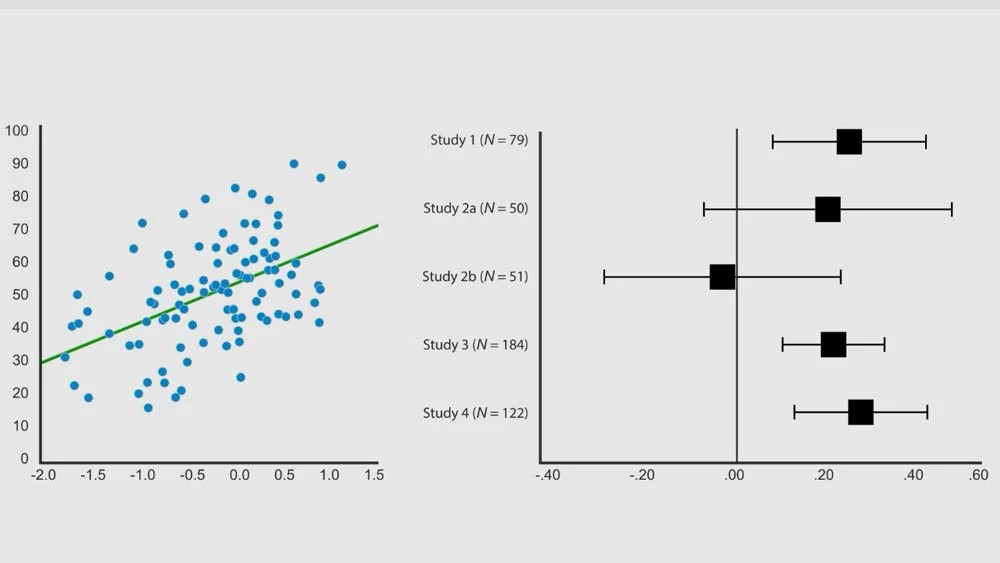
The technical challenge was significant: the animations needed to be produced in After Effects for its motion graphics style, a tool not specifically designed for quantitative or data-driven work. Some of the figures required animating over 500 data points, with statistically accurate behavior, while remaining visually engaging and fully art-directable.
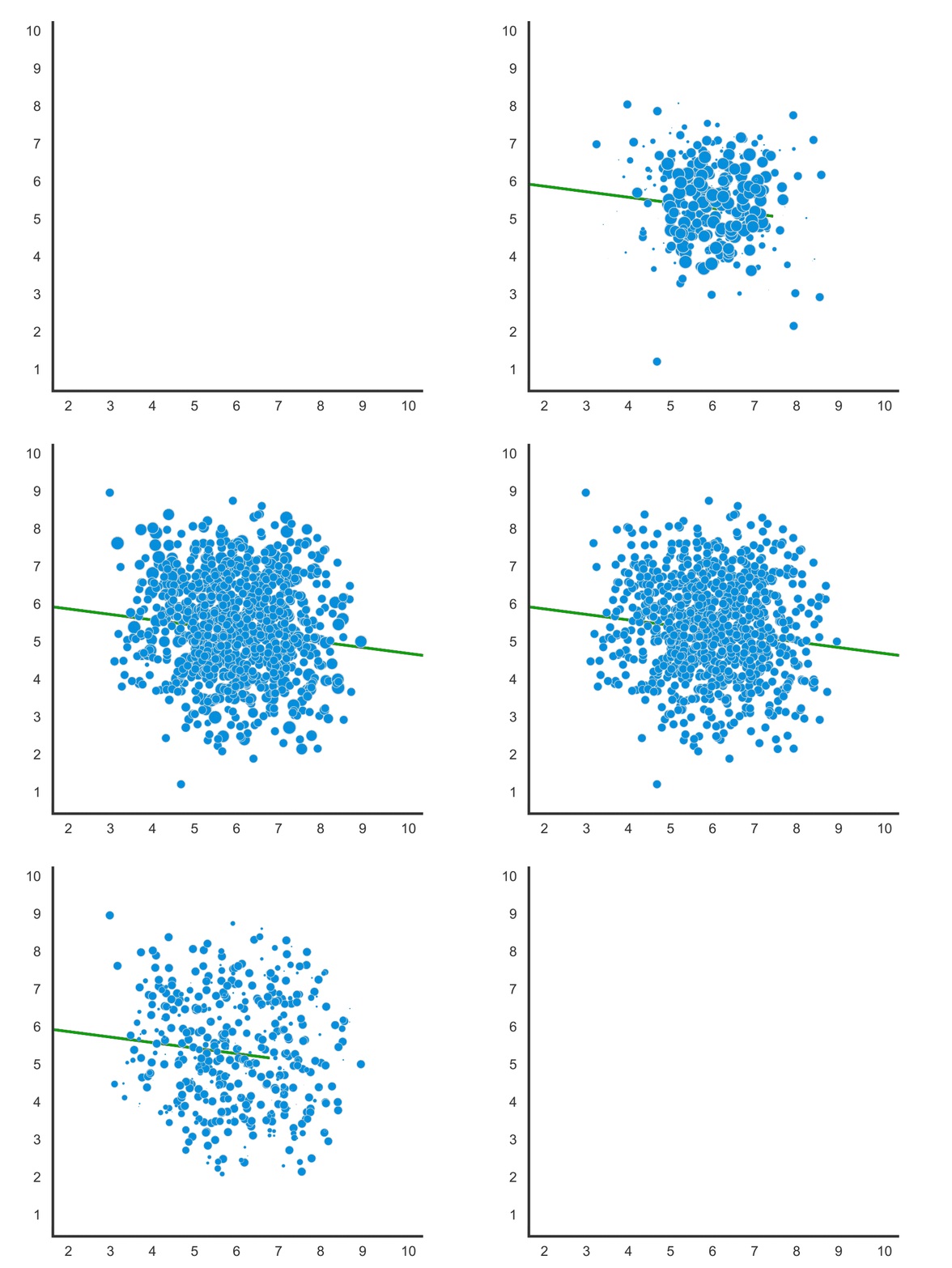
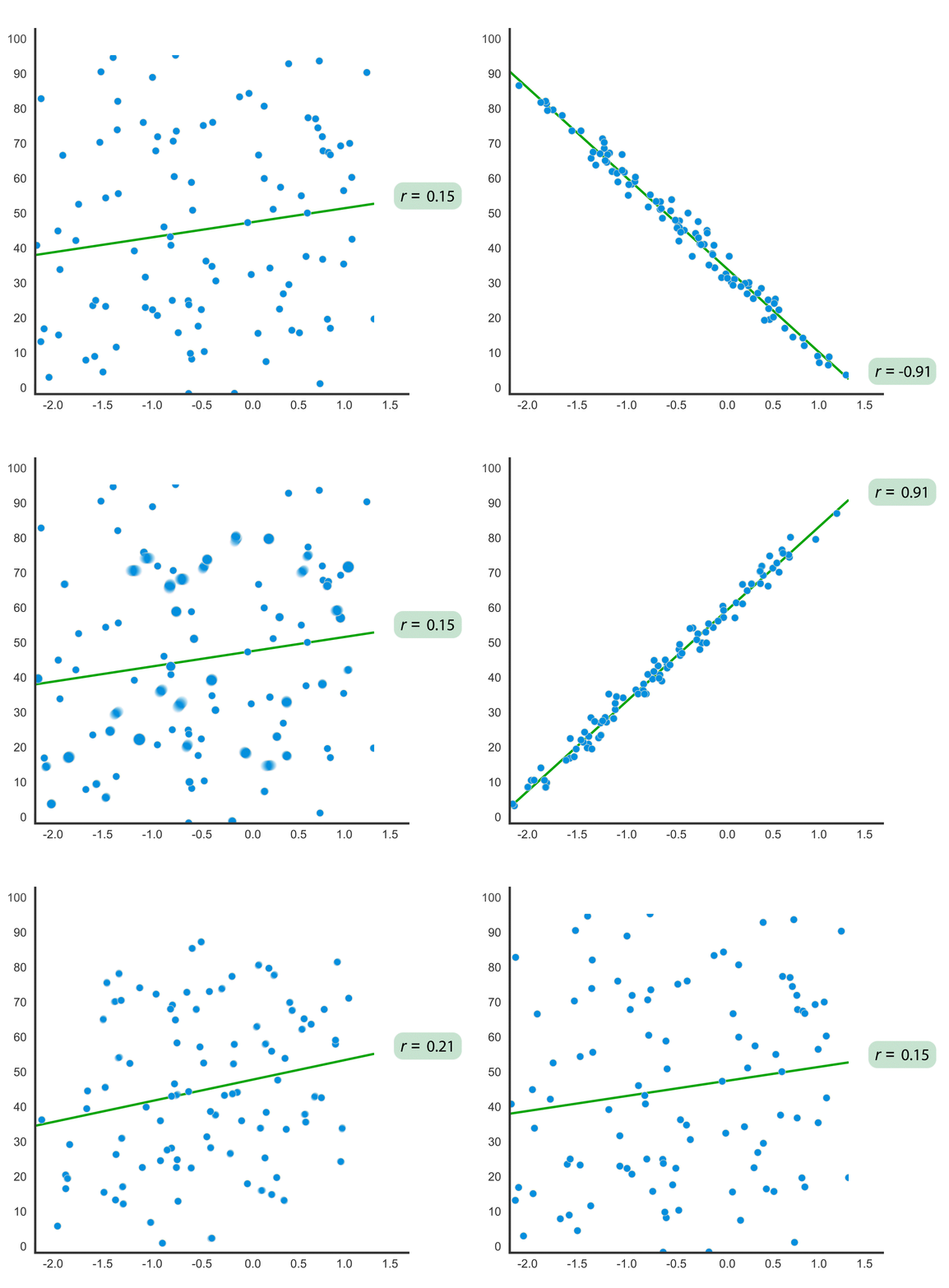
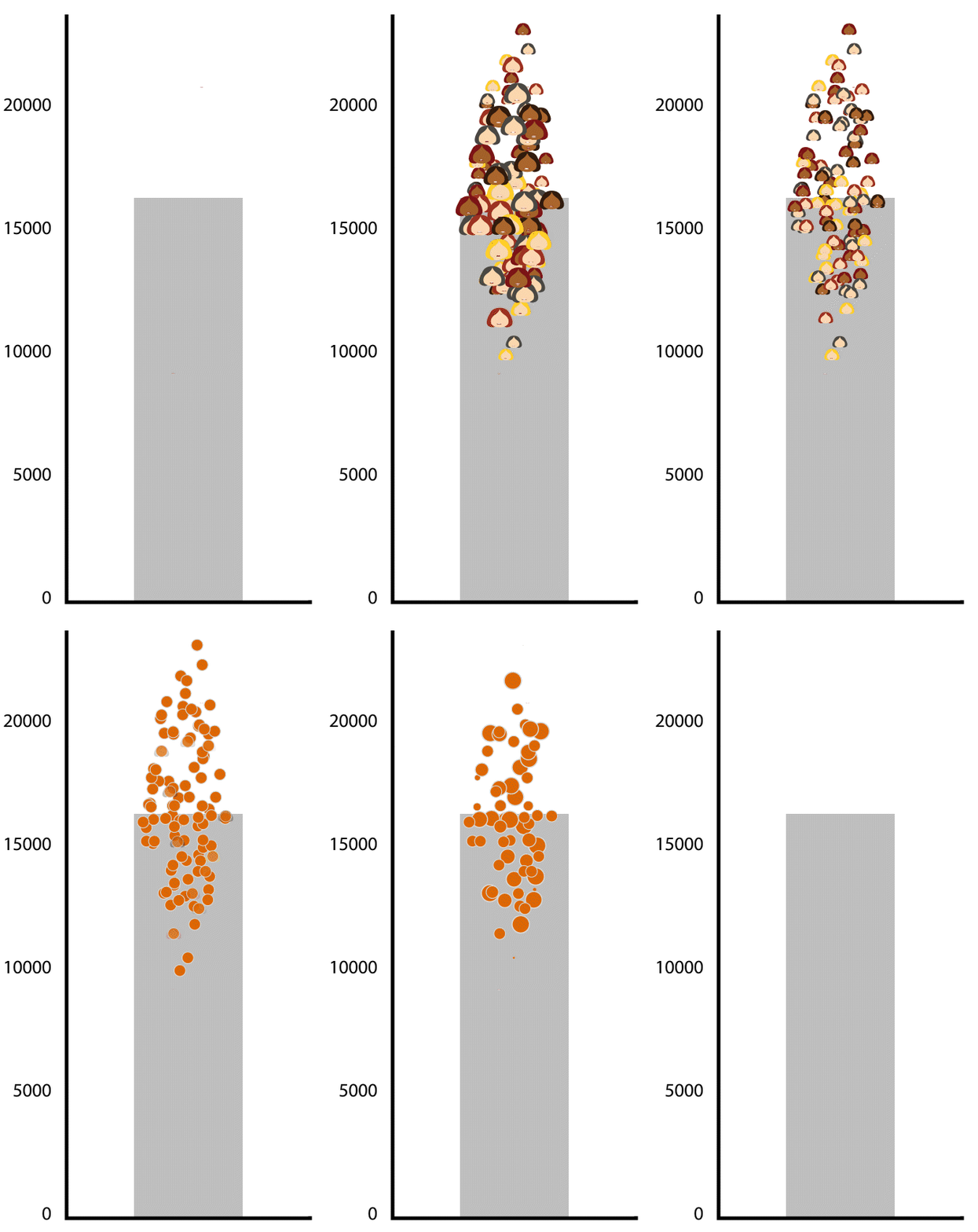
Excerpts from the animated figures.
The solution was an expression-based procedural animation workflow developed within After Effects. Using random data generation through expressions, slider-controlled parameters, and direct mapping of statistical values (including standard deviation, correlation coefficient, etc.) to data point movement, the entire system and data points were animateable by fewer than 10 keyframes. Because the system was procedurally driven, standard animation principles such as anticipation and follow-through could be applied easily, making the visualizations dynamic without compromising statistical integrity. The client required minimal revisions following the first draft.
Peer Review and Selection:
W.W. Norton is the oldest and largest employee-owned publisher in the United States (founded 1923), and award-winning author Beth Morling's text is the number one research methods textbook in psychology in the United States. The company had initially engaged a student of mine for this project. When two of the figures required a higher level of statistical and technical sophistication, W.W. Norton reviewed reels and work samples from multiple animators and specifically selected me for the two most quantitatively demanding figures, noting that my background would be "really useful when it comes to creating these videos."
Norton does not operate an open call process; commissions of this kind are made through direct professional judgment. That comparative selection, by a major academic publisher after evaluating competing work, reflects confidence in both the technical and creative capabilities required to complete the work to publication standard.
Dissemination:
The completed animations are embedded in the digital edition of Research Methods in Psychology, Fifth Edition, available through W.W. Norton's platform at https://wwnorton.com/books/9781324085744, reaching a broad national audience of students and instructors in higher education.
Research Thread:
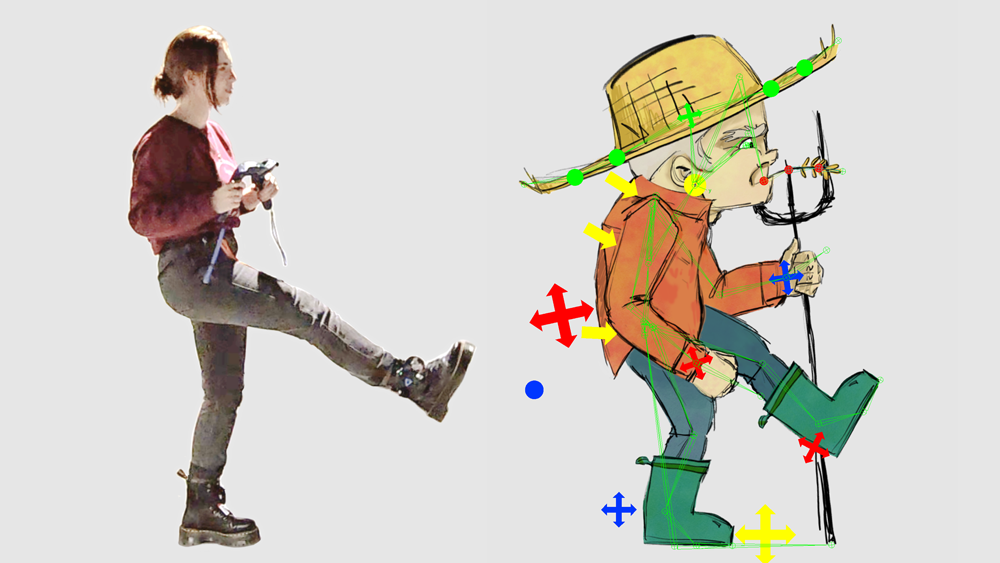
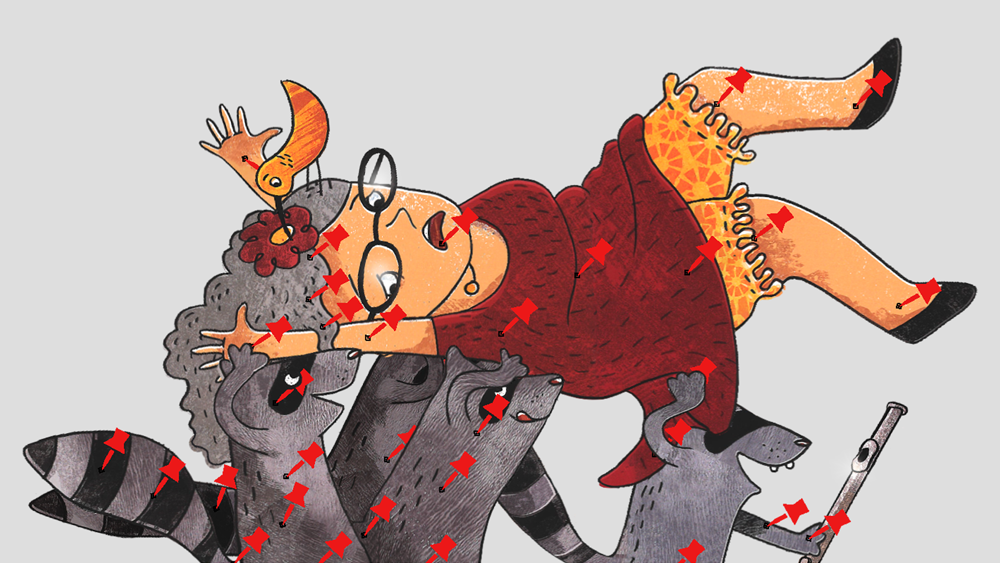
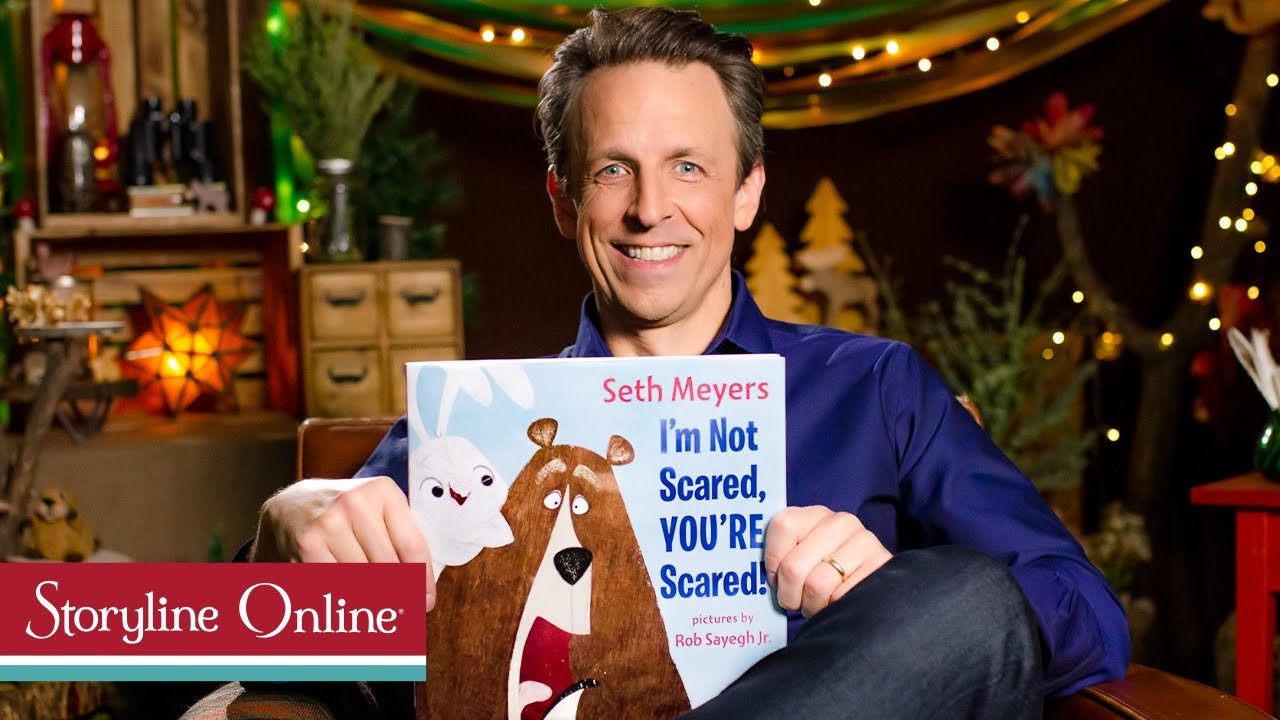
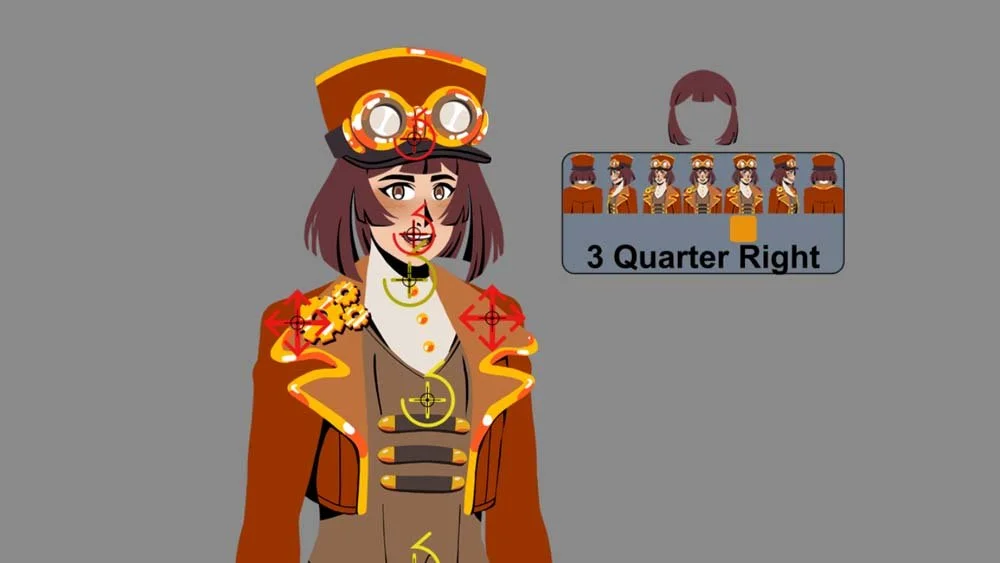
This commission is part of a sustained research thread in procedural, expression-based animation systems explained in Case Study 1B: Procedural Animation. The same technical approach developed under deadline pressure on Case Study 2A: Storyline Online was applied here to a completely different domain, demonstrating the transferability of the technique beyond character animation into scientific and data visualization contexts.

Track 1: Research and Technical Innovation
Track 2: Creative and Industry Practice



Track 3: Pedagogical Scholarship