MEGHDAD ASADILARI
Assistant Professor, School of Film and Animation, College of Art and Design, RIT
Case Study 1B: Procedural Animation
Project Overview:
This research thread, active throughout my tenure period at RIT (2020 to present), investigates expression-based procedural animation systems, developing techniques that allow large numbers of characters, or more broadly, large number of controllers, properties, or data points to be animated using minimal keyframes, controlled through sliders and mathematical expressions rather than keyframe animation. The work sits at the intersection of coding logic and animation craft, a natural extension of my background in engineering brought into a creative production context.
Expression-based procedural animation has been a consistent part of my production pipeline and teaching practice, integrated into courses including Programming for Animators and Advanced Rigging. However, it was the deadline pressure of Storyline Online (Case Study 2A) that pushed this approach from a working method into a formalized research thread, documented across production, scholarship, and pedagogy. The deadline pressure of the series made traditional keyframe animation impractical at scale, and the expression-driven systems I developed there became a codified methodology, transferable across platforms and scalable in complexity.
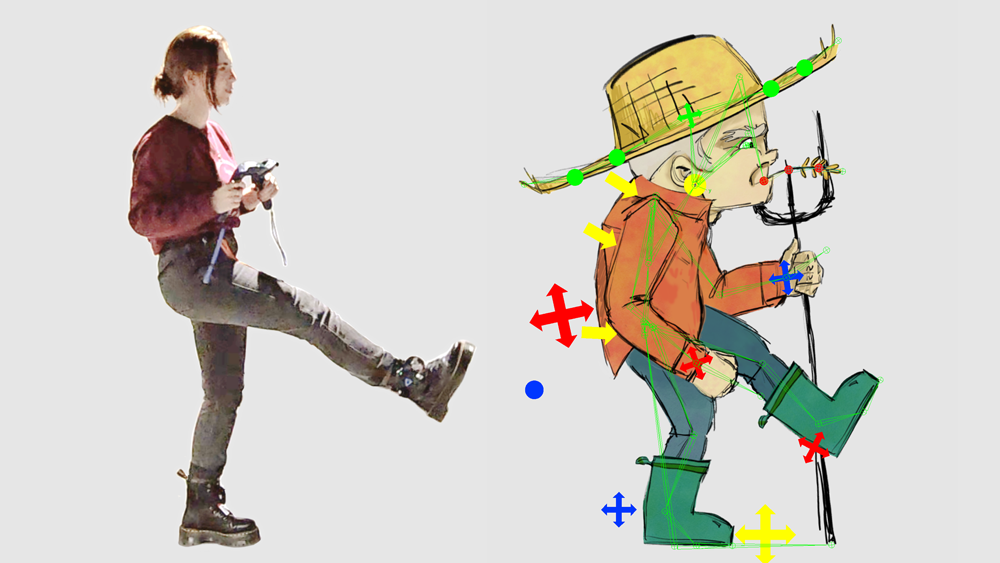
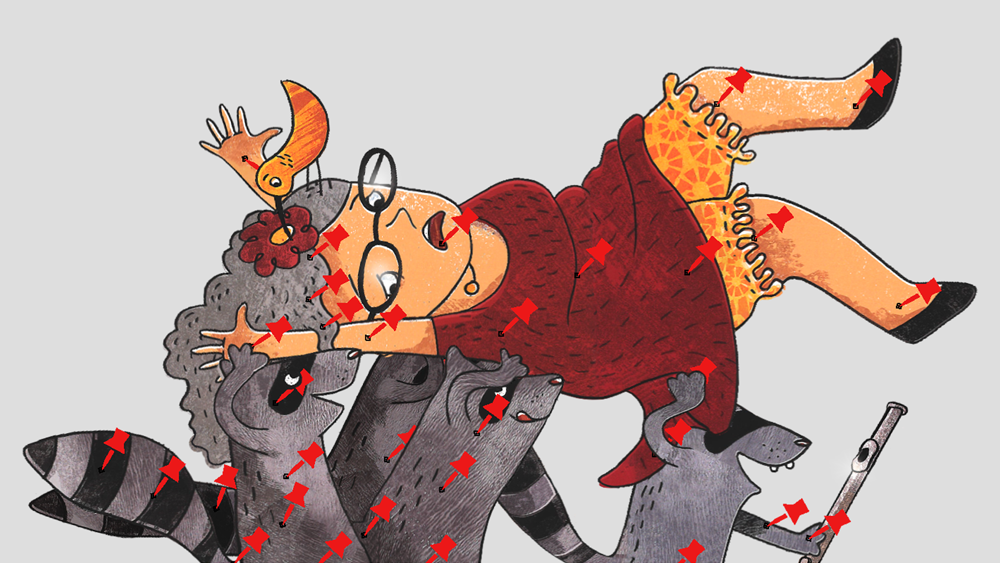
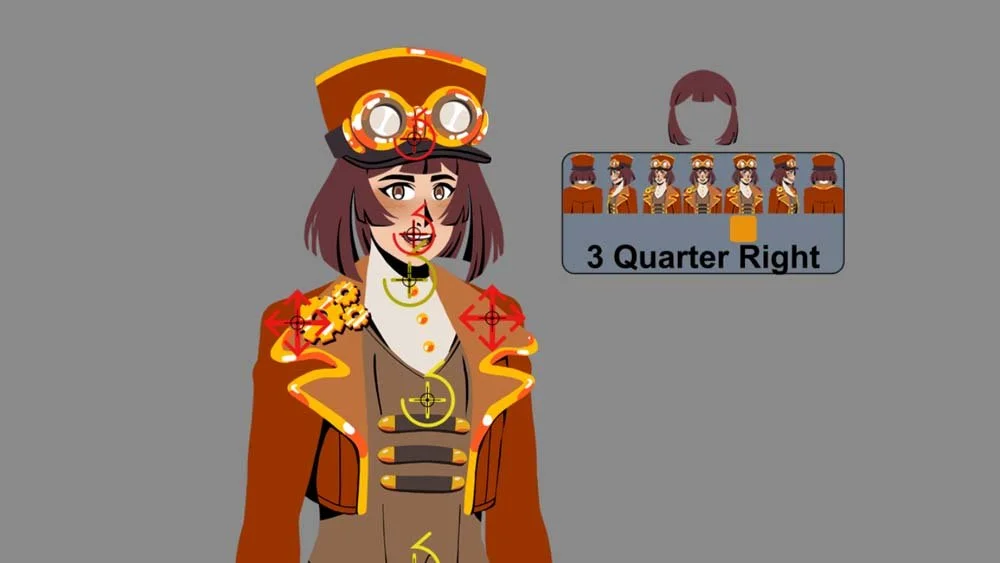
Expression based animation. No keyframe was used in animating the characters in these scenes. ©Storyline Online.
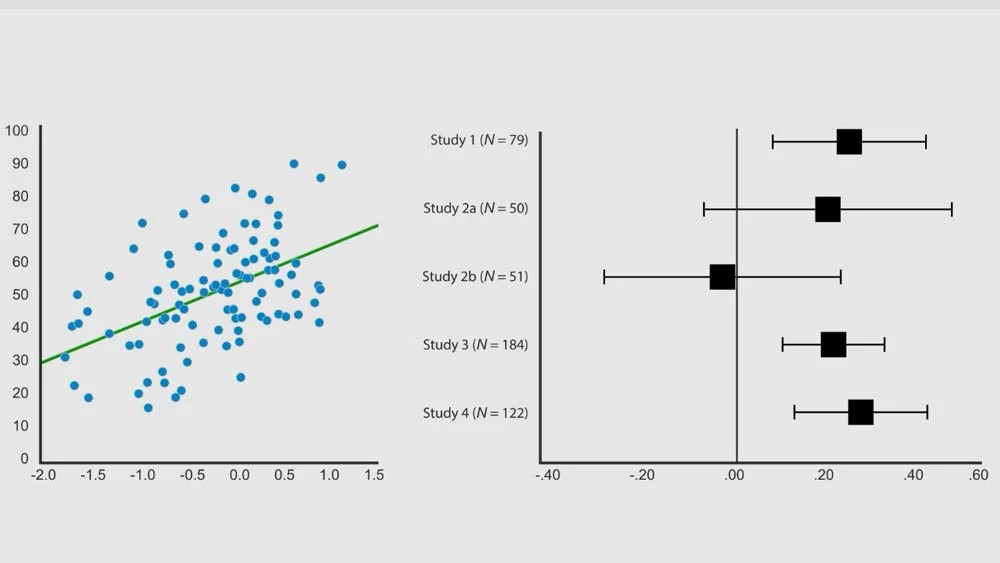
The technique was subsequently expanded and applied to a commissioned work for W.W. Norton and Company in 2024 (Case Study 2E), where hundreds of data points needed to move in statistically accurate patterns. Expression based animation enabled full art direction without sacrificing quantitative accuracy. Applying the same procedural framework across two entirely different domains (character animation and statistical data visualization) demonstrates its breadth and robustness as a research methodology.
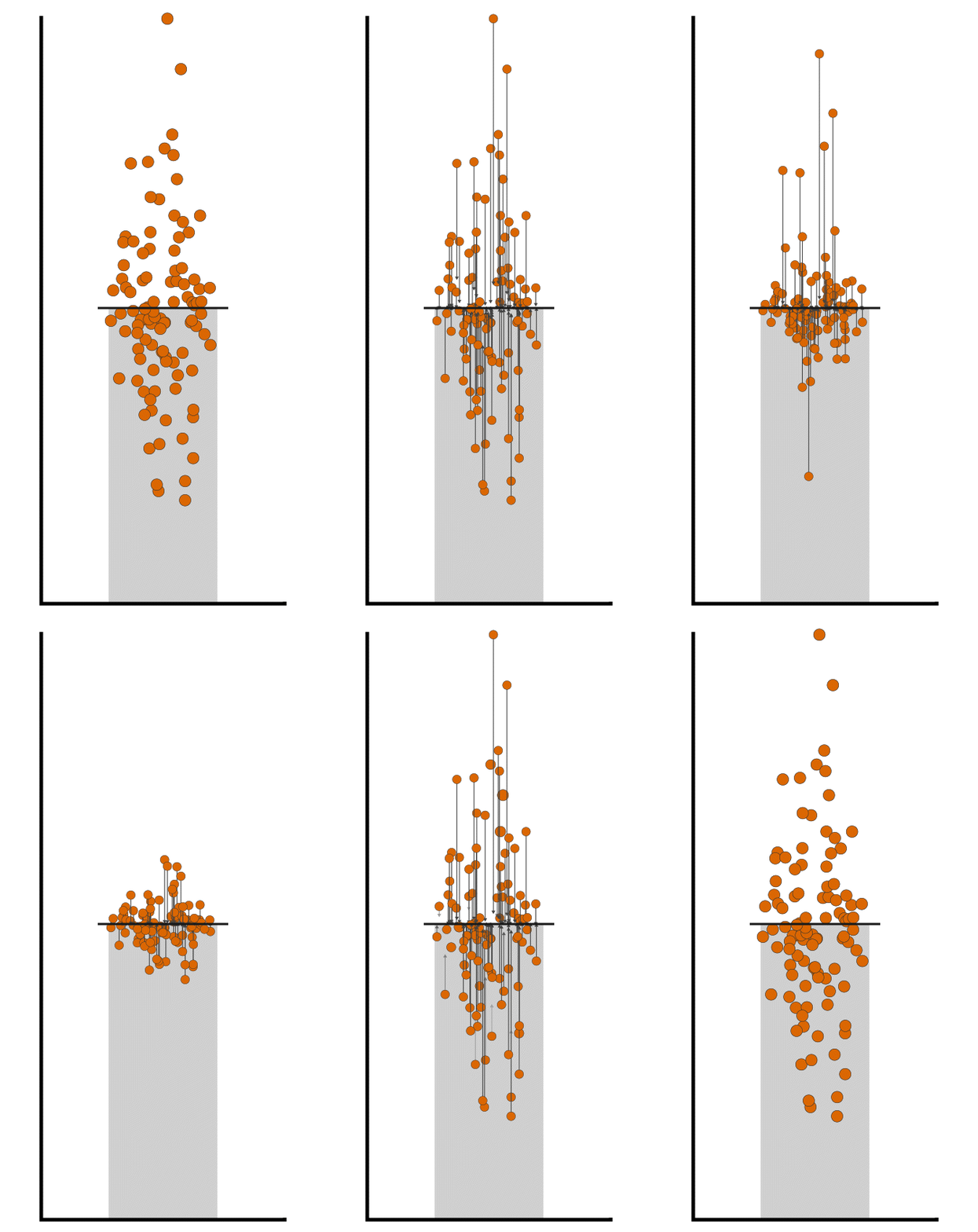
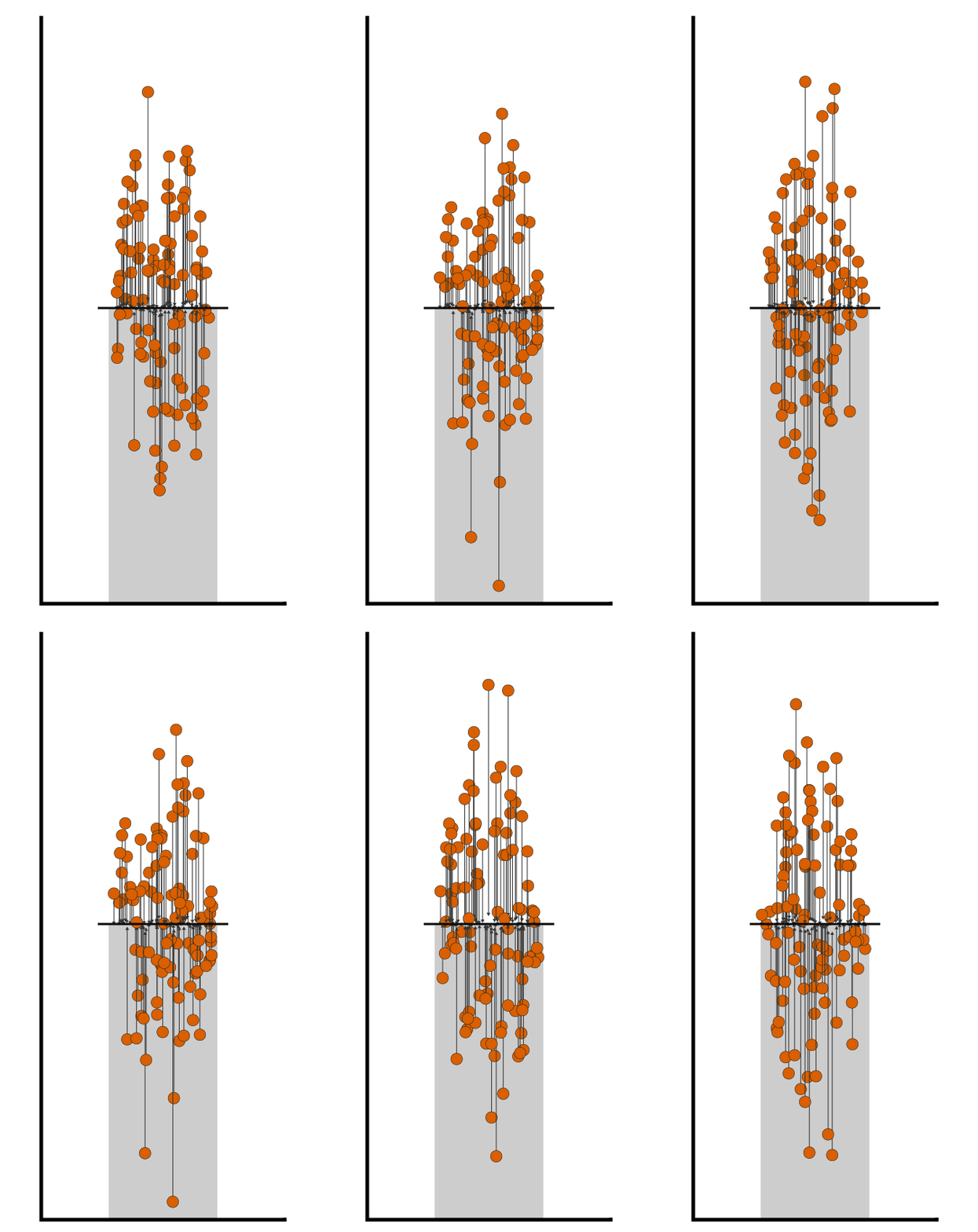
Expressions created (top, left) and applied to more than 300 layers (top, center left) to randomize position, control color, and animate standard deviation of 100 data points around their mean (top, center right), using minimal keyframes (bottom) (Click to enlarge). The procedural setup allows changing the seed value to regenerate randomly positioned data points, enabling art direction over the final pattern (top right).
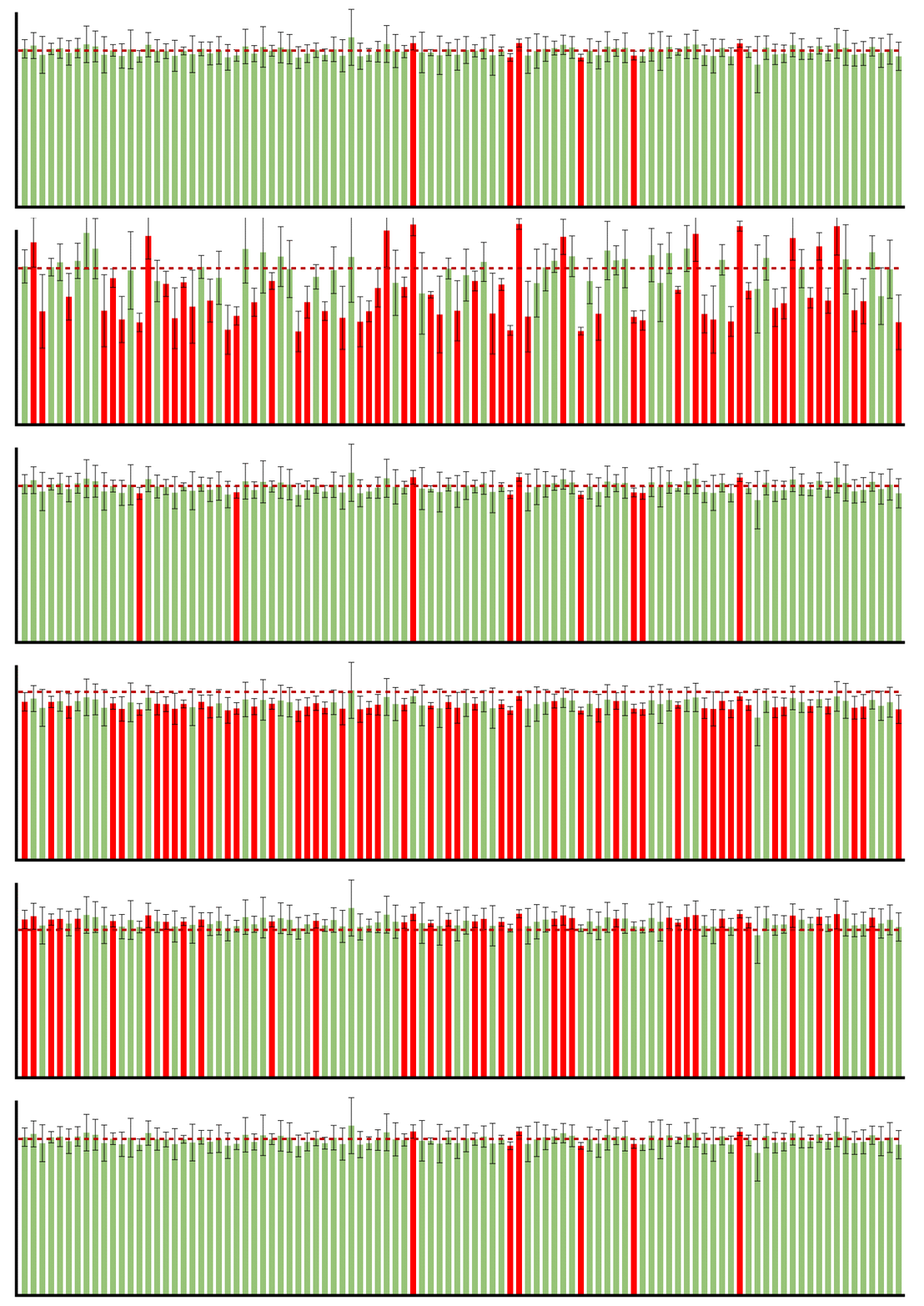
Expressions generate interval plots with random error bars and automatically highlight plots whose error bars miss the population mean (shown in red). Adjusting the mean line allows for art direction, producing statistically representative distributions on the fly.
Exploring AI as a Tool:
Over the past two years, I have been deliberately stepping into AI, with a particular focus on its coding and scripting capabilities. This interest is both practical and pedagogical. I teach programming and expression-based animations, simulations, and VFX across several courses, and it is important to me to understand firsthand what these models can and cannot do in this specific domain, and what their growing capabilities mean for how and why we teach these subjects.
The procedural animation work in this case study offered yet another opportunity to put these models to the test. I explored AI-assisted code generation for building and expanding complex expression setups in After Effects, using this and previous projects to evaluate different models and approaches in a context where I could rigorously assess the results. What this process confirmed is that effective use of AI in technical work requires deep domain knowledge. I had to articulate each setup in precise technical terms, evaluate whether the output was correct, and debug or redirect when it was not. The AI accelerated my workflow and allowed me to iterate faster, but I remained in full control of the outcome.
The broader conclusion I reached is that while these models are improving very quickly, they still function as tools, not as replacements for the creator or for the foundational knowledge that makes the work possible. This experience reinforced my conviction that teaching the foundations of coding, and more broadly the foundations of technical and conceptual subjects, remain as necessary as ever.
Peer Review:
The research was submitted to the University Film and Video Association (UFVA) Annual Conference in 2024, the premier international gathering for film and video academics. The proposal, "Procedural Animation in After Effects: From Codes to Movements," in the format of workshop was reviewed and accepted through UFVA's standard process. UFVA is classified as Tier 1 (International, Peer-Reviewed) under RIT’s College of Art and Design guidelines.
At the institutional level, a PLIG (Provost's Learning Innovation Grant) award of $5,000 funded a broader online course, "A Complete Guide on Character Setup and Automated Animations in After Effects," of which this expression-based research formed a major component. PLIG funding at RIT represents formal institutional recognition of the pedagogical value of these techniques within that curriculum.
Dissemination:
The research was disseminated directly through an international academic conference. It was also applied in two distinct disseminated contexts, two distinct professional productions, and a grant-supported pedagogical resource, each reaching a different audience:
International Conference Workshop: The workshop was presented solo at UFVA at Cleveland State University, July 31, 2024, with all materials made available to attendees for use in their own teaching and production practice. Attendees feedback confirmed the novelty and practicality of this approach.
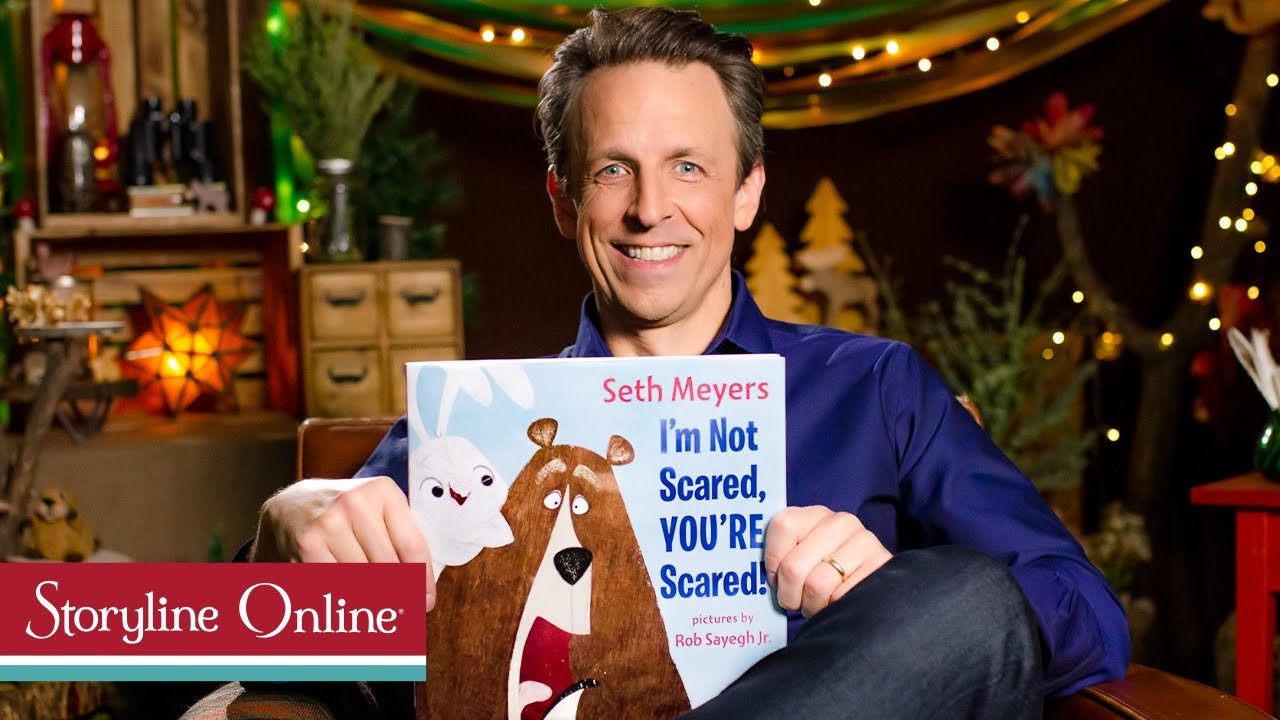
Professional Production: The techniques were used across six episodes of Storyline Online (Case Study 2A) and in the W.W. Norton commission (Case Study 2E), reaching professional contexts in both broadcast animation and academic publishing, and demonstrating their practicality and efficiency at production scale.
Online Course: The PLIG-funded online course is publicly available on YouTube, making the methodology publicly available to practitioners and students beyond the institution. The outcomes of this grant were also presented at the 2024 Summer Institute for Teaching and Learning at RIT. The course was also featured on Lesterbanks.com, a widely followed resource site for motion designers, VFX artists, and animators.
Running a workshop at the University Film and Video Association (UFVA) Annual Conference in 2024 (left and enter). Course featured on Lesterbanks.com (right).
Pedagogical Connection:
These developed procedural techniques also generated a documented interdisciplinary connection. A collaboration with a colleague in RIT's Department of Industrial and Systems Engineering, whose course covers statistical concepts, grew from the shared recognition that animated parametric visualizations can build intuition more effectively than static figures. This partnership led to a co-developed Learning Innovation Grant proposal exploring extension of these techniques into a more powerful pipeline using Houdini. Although the grant was not awarded, working prototypes were produced, and the collaboration represents a formal interdisciplinary research partnership reaching beyond animation into engineering and quantitative data representation.
The techniques also directly informed a formal independent study course in Spring 2026, in which an undergraduate student completed three projects, one of which involved random value generation and slider-controlled art direction in After Effects at a smaller scale, drawn directly from the methods developed for W.W. Norton.
Prototype material created for the 2025 interdisciplinary PLIG proposal with a colleague in RIT's Industrial and Systems Engineering program, exploring extension of these techniques into Houdini. (Click to enlarge)

Track 1: Research and Technical Innovation
Track 2: Creative and Industry Practice




Track 3: Pedagogical Scholarship